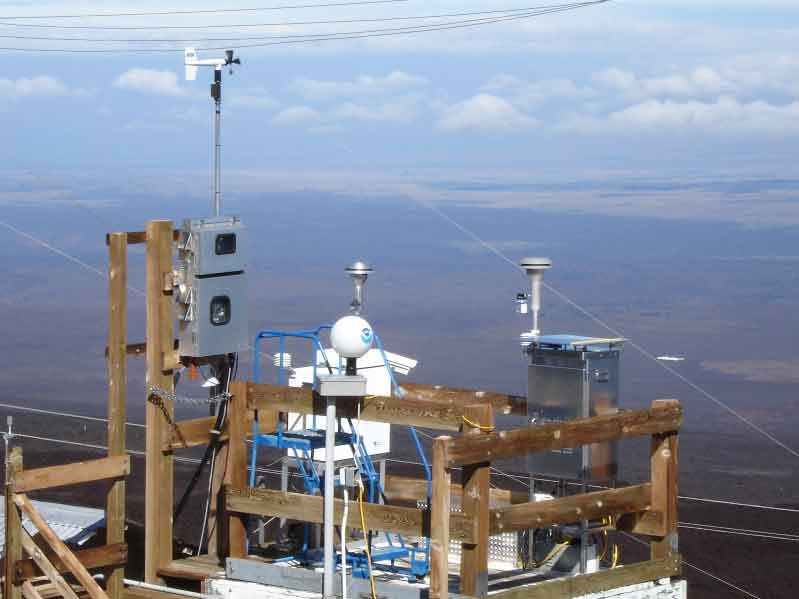
Measurements at the Mauna Loa Observatory stopped after the 2022 eruption of the Mauna Loa volcano, when lava flow crossed the access road and took out power lines to the facility. The observatory remains inaccessible by vehicle and without power from the local utility company.
Observatory staff has established limited solar power in four observatory buildings and restored approximately 33 percent of the measurements onsite, including the Global Monitoring Laboratory and Scripps critical CO2 records and other atmospheric measurements.
Media can contact: Theo Stein (303) 819-7409 (theo.stein@noaa.gov) or Karin Vergoth 303-632-6413 (karin.vergoth@noaa.gov)
 National Oceanic and Atmospheric Administration (NOAA),
Earth System Research Laboratory (ESRL) /Air Resources Laboratory (R/ARL)
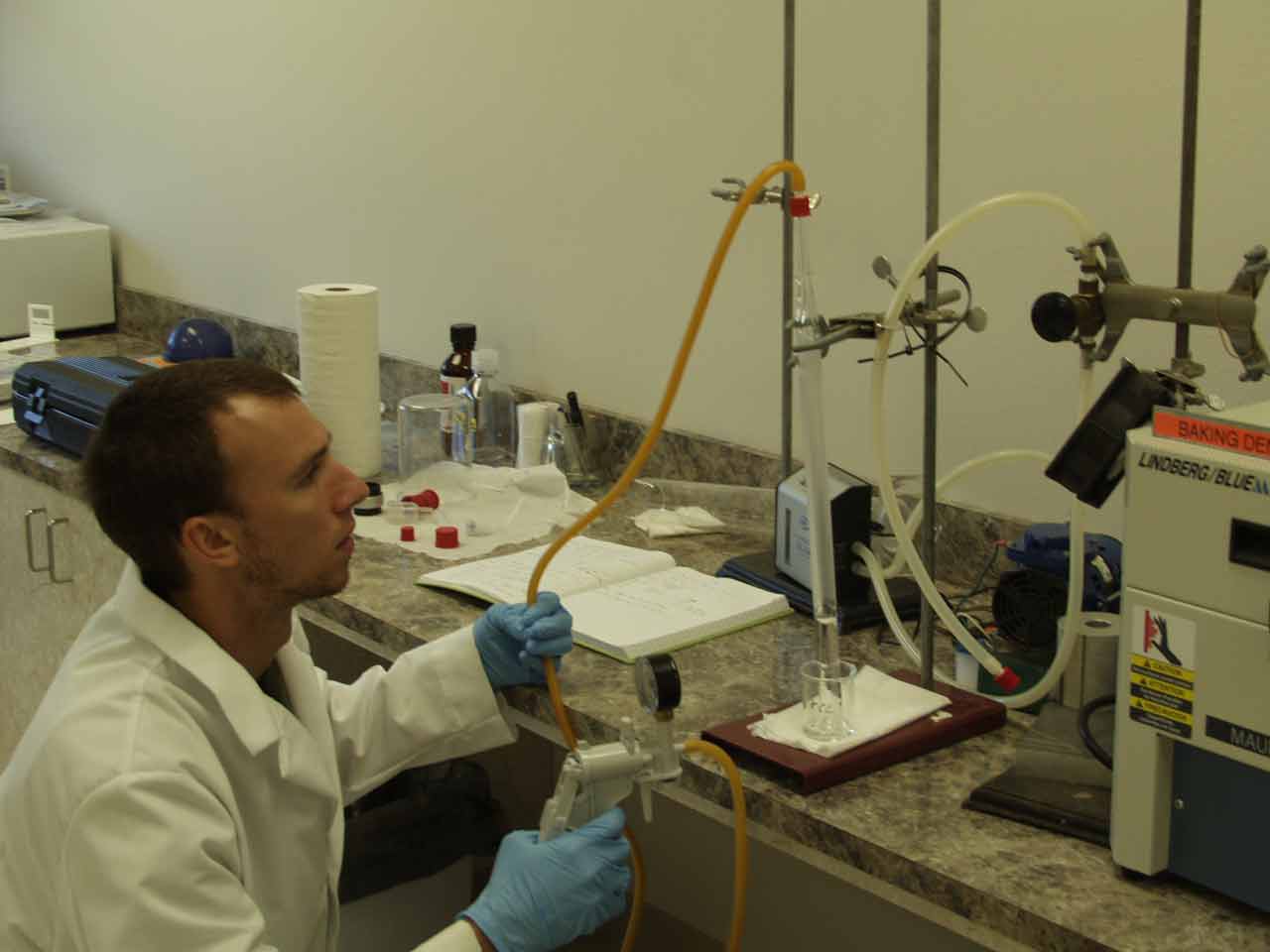
Mercury is measured via cold vapor atomic fluorescence. Particulate matter is measured with energy dispersive X-ray fluorescence & high resolution magnetic sector field inductively coupled plasma mass spectrometry. Major ions are measured via ion chromatography.
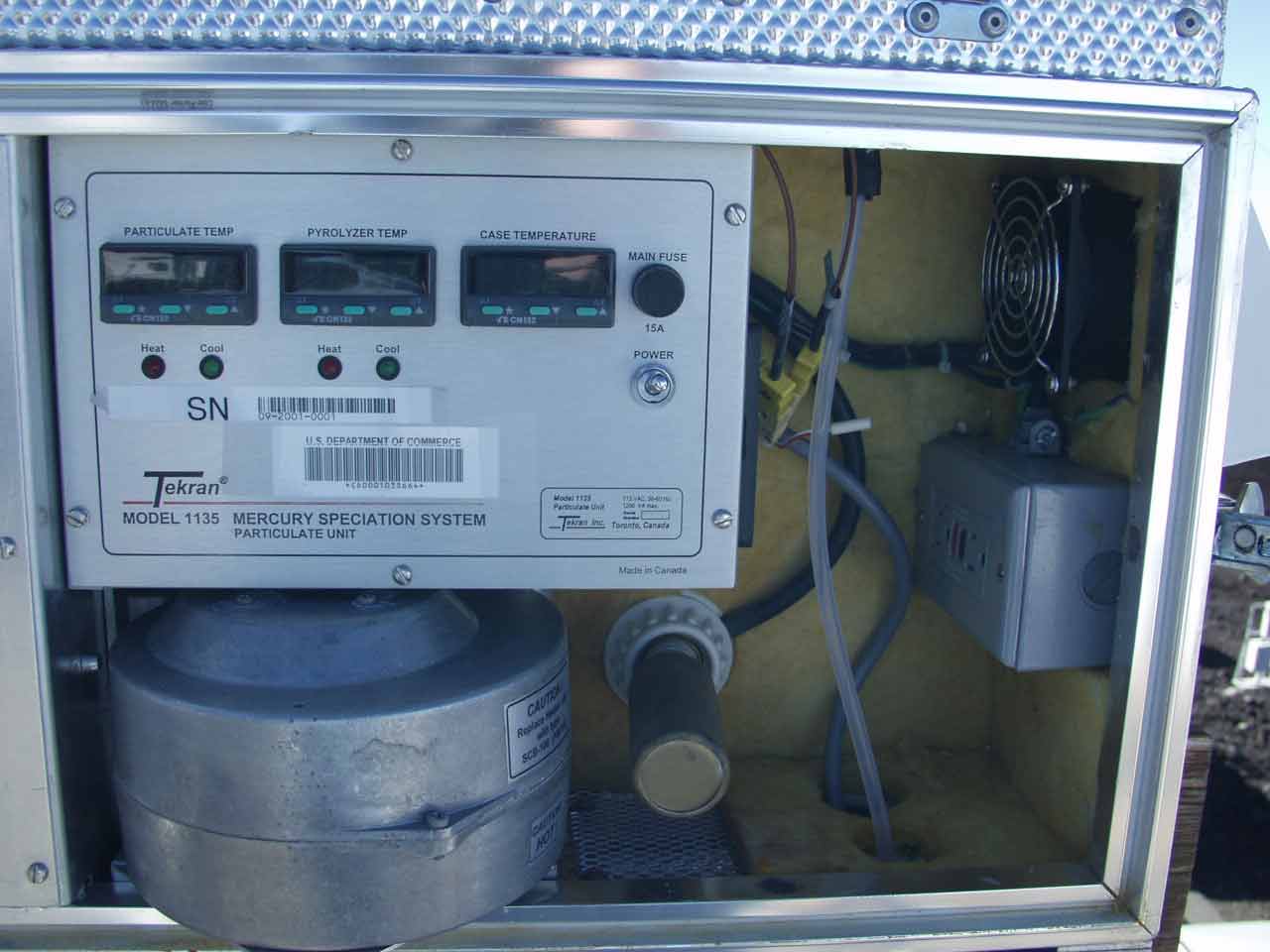
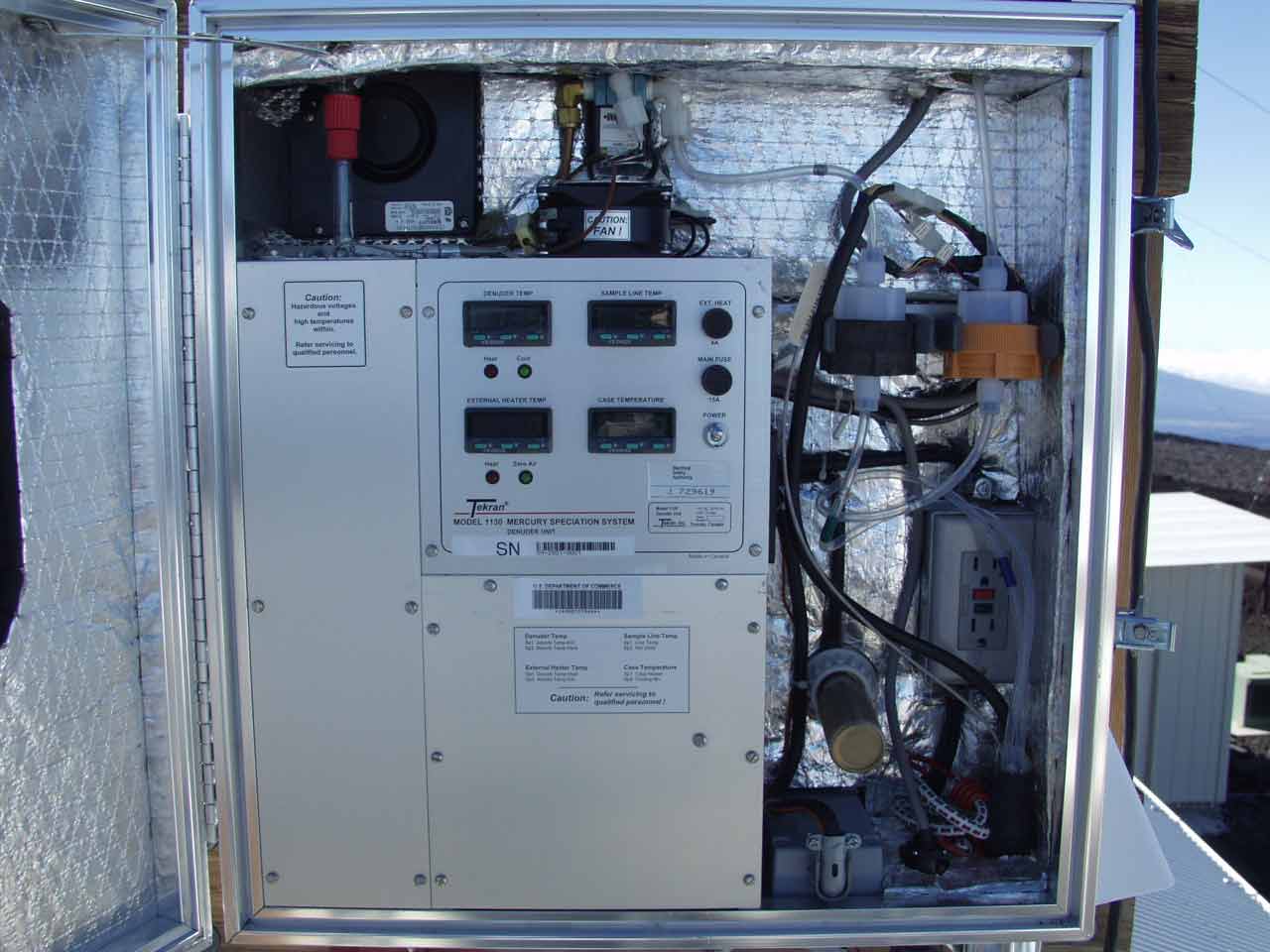
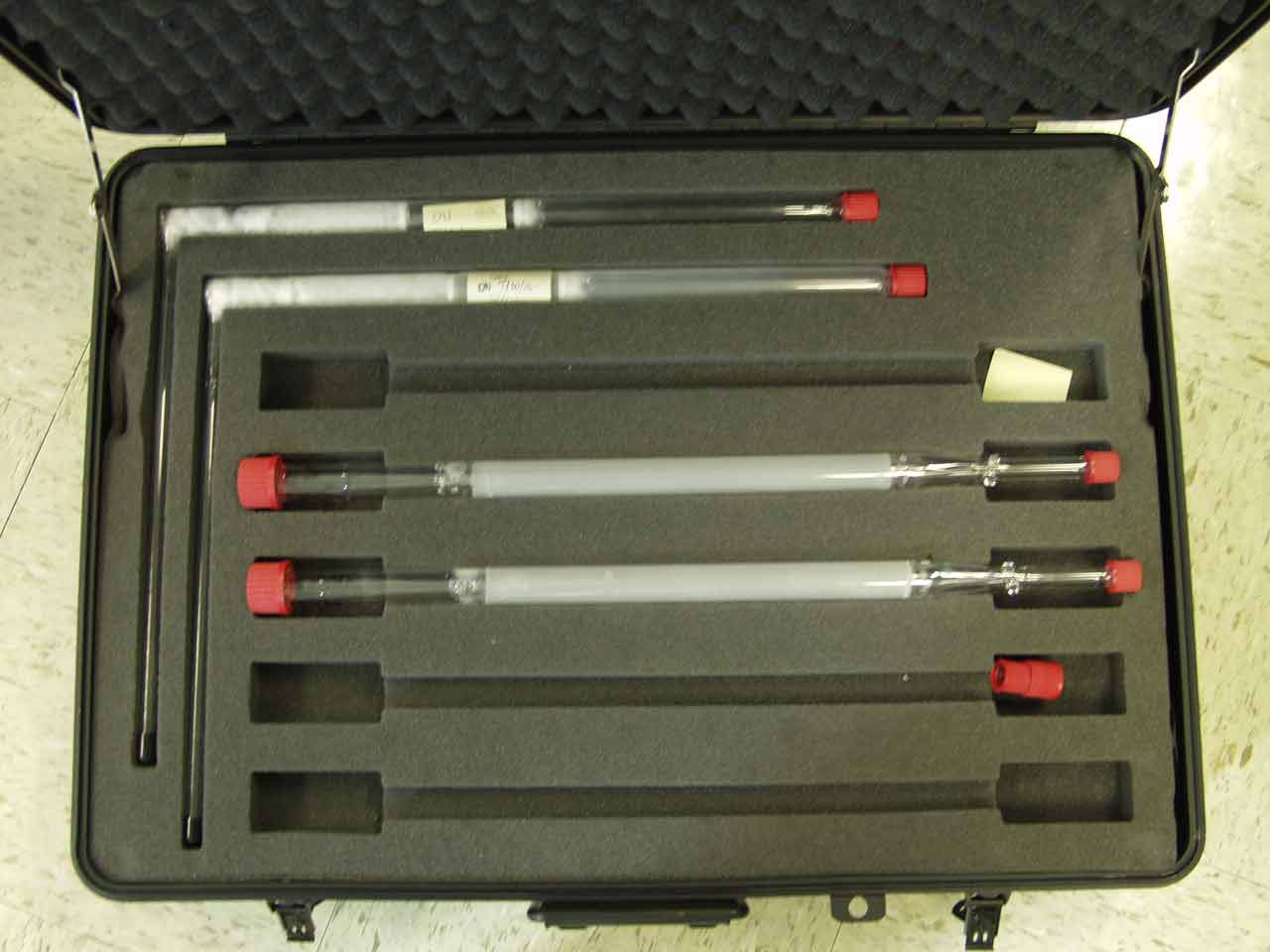
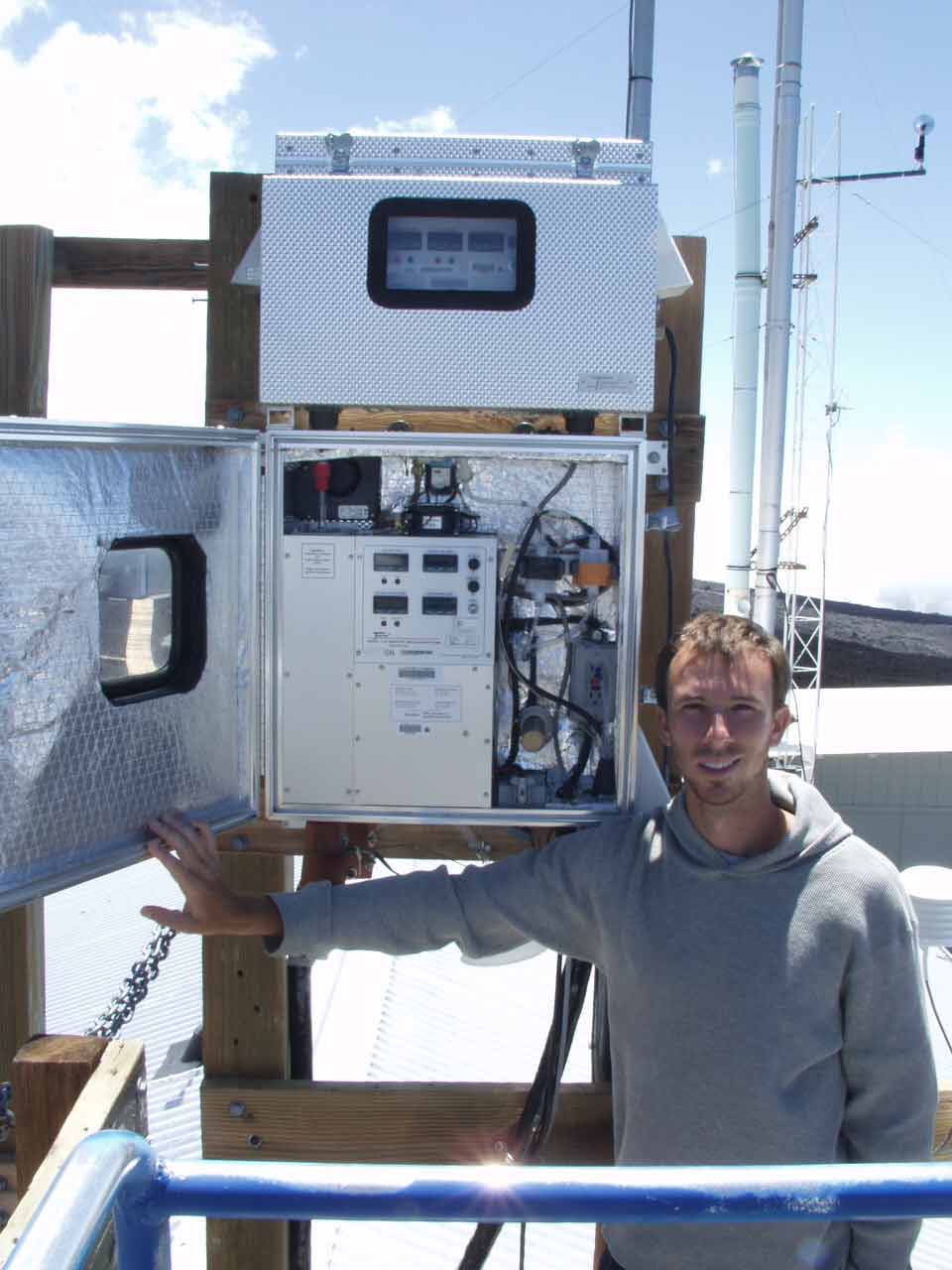
The instruments used include: Tekran Model 2537A Mercury Vapor Analyzer, Tekran Model 1130 Reactive Gaseous Mercury Sampling Unit, Tekran Model 1135 Particulate Mercury Sampling Unit, Tekran Model 2505 Primary Source Calibration Unit.
These instruments are capable of performing automated continuous or semi-continuous collection and analysis of the three forms of atmospheric mercury using the National Exposure Research Laboratories (NERL) methodology.
In order to investigate mechanisms of elemental gaseous mercury oxidation in the free troposphere and to evaluate trans-Pacific transport of mercury species. A goal is to accumulate a long-term record of ambient Elemental Mercury (Hg O), Reactive Gaseous Mercury forms (RGM), and Particulate Mercury (Hg P) chemistry to support atmospheric mercury chemistry research; to establish a baseline mercury measurement station; and to investigate the long range transport of mercury from South East Asia across the Pacific.
It is too early to tell.
Not Applicable.
Winston Luke
301) 713-0971
Aidan Colton
808-933-6965 (x233)
Poai Suganuma
808-933-6965 (x232)
http://www.epa.gov/heasdweb/ecab/staff/landis.htm
http://www.epa.gov/heasdweb
July 30, 2001
EPA Aethalometer
EPA Mercury Precipitation
EPA Ambient Ion Monitor
EPA Dichotomous Partisol
EPA Fine Particle Sampler
EPA Sulfur Dioxoide
EPA Surface Ozone