Chemical Sciences Laboratory
CSL
Who We Are
About Us
Mission & Vision
Strategy
Organization
Origins
Partnerships
Science Reviews
Diversity and Inclusion
People
Contact Us
Office of the Director
Administrative Office
Information Technology
Staff Listing
Employee Spotlight
Careers / Jobs
Visiting Us
What We Do
Research
Programs
Earth's Radiation Budget
Field Campaigns
Instrumentation
Datasets
Assessments
Education & Outreach
Publications
Peer-Reviewed Publications
Fact Sheets & Reports
Newsletters
What's New
News & Events
Postcards from the Field
Seminar Schedule
Awards & Recognition
Inside CSL
Intranet
Safety Program
NOAA UMS - Google Apps
Boulder Labs Site Status
Chemical Sciences Laboratory
Advancing our understanding of atmospheric composition and climate
About Us
Research
Field Campaigns
Scientific Assessments
Publications
Seminars
Education & Outreach
Research Highlights
Earth's Radiation Budget
AIRMAPS
AGES+
Ozone Assessment
News & Events
Honor
Steve Brown Elected as Fellow of AAAS
Steve Brown Elected as Fellow of AAAS
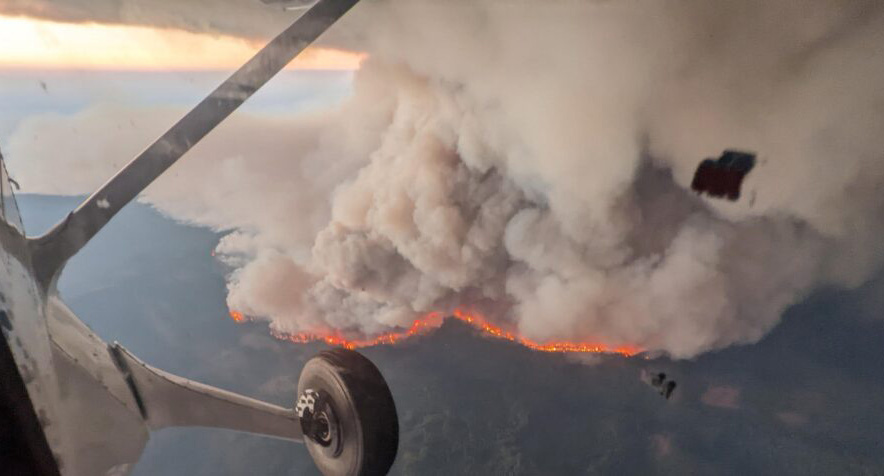
CalFiDE 2022
First-of-its-kind experiment illuminates wildfires in unprecedented detail
First-of-its-kind experiment illuminates wildfires in unprecedented detail
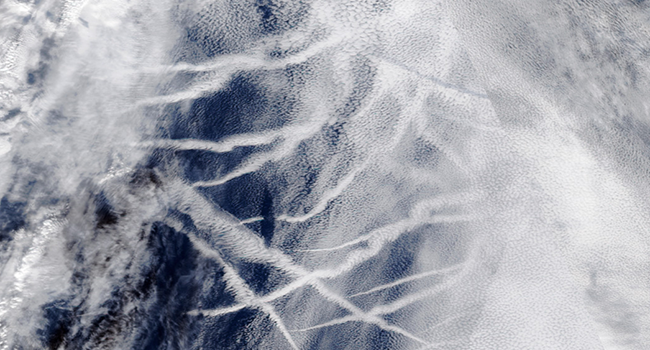
Marine Cloud Brightening
Scientists detail research to assess the viability and risks
Scientists detail research to assess the viability and risks of marine cloud brightening
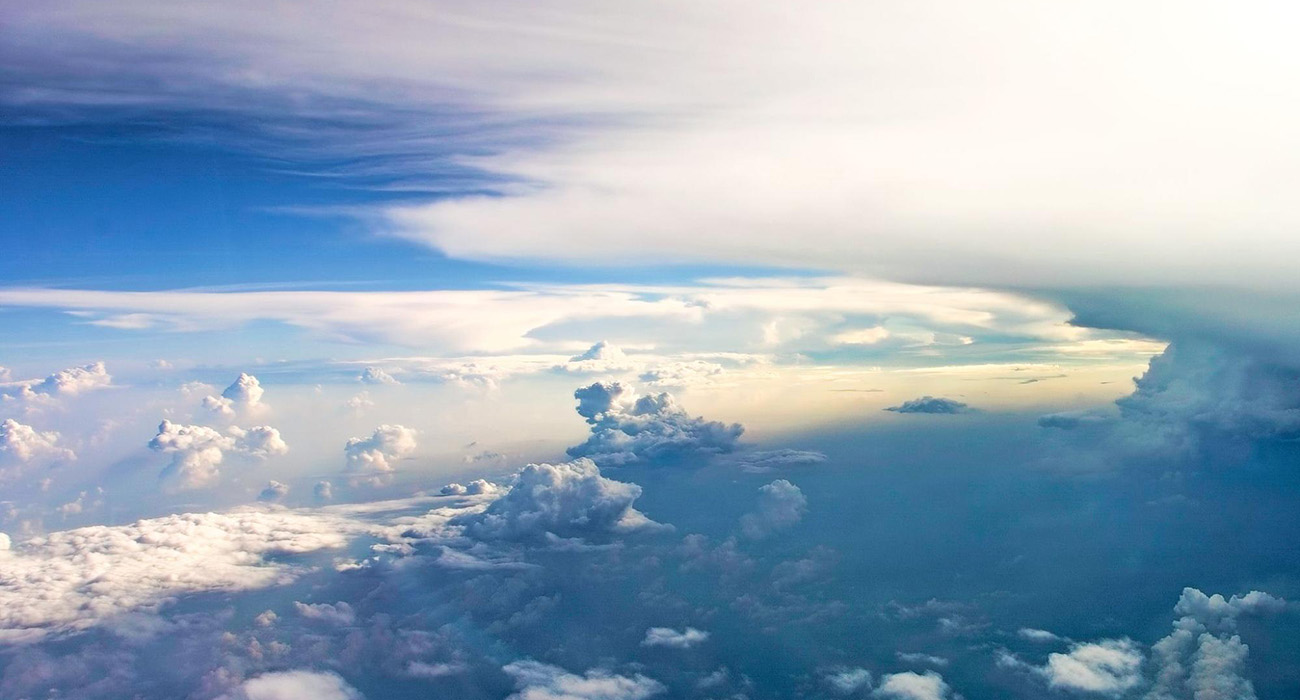
Intentional Stratospheric Dehydration
Could drying the stratosphere help cool the planet?
Could drying the stratosphere help cool the planet?
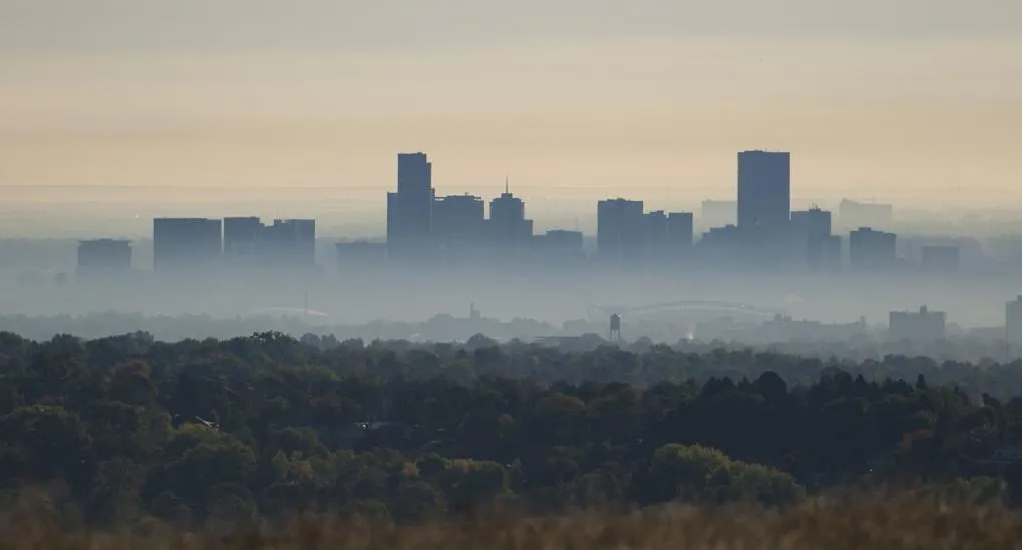
Air IneQuality
Communities of color breathe Denver's worst air
Communities of color breathe Denver's worst air
Previous
Next
Research Programs
Aerosol Properties & Processes
Atmospheric Composition & Chemical Processes
Atmospheric Remote Sensing
Chemical Processes & Instrument Development
Chemistry & Climate Processes
Clouds, Aerosol, & Climate
Atmospheric Composition Modeling
Tropospheric Chemistry